
Agnostic Payment Gateways for California Businesses | Payment Flexibility
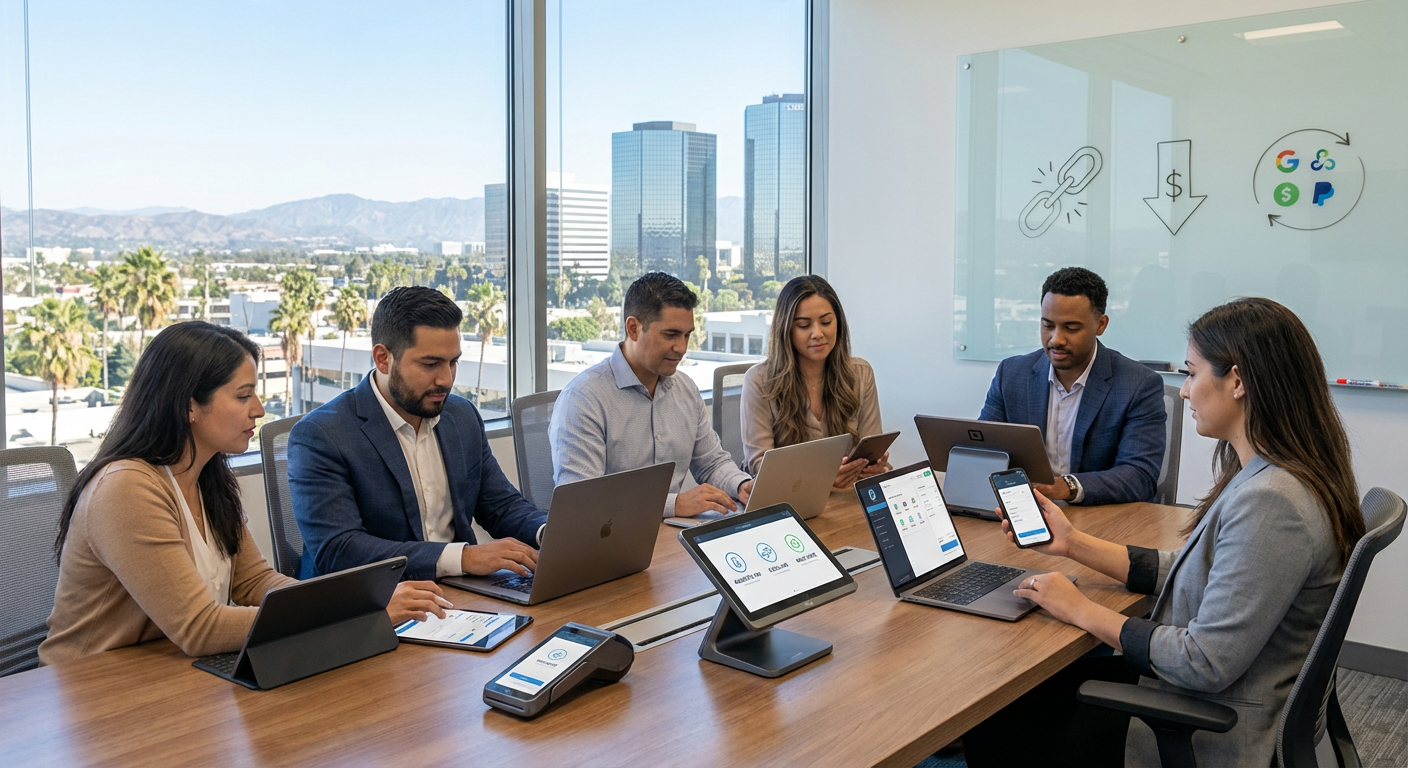
California is home to some of the fastest-growing businesses in the United States, spanning tech startups in Silicon Valley to boutique retailers in Los Angeles. Yet, many of these businesses face a common challenge: being locked into a single payment processor. Vendor lock-in can limit flexibility, inflate costs, and hinder your ability to adapt to evolving customer payment preferences. This is where agnostic payment gateways come in. They offer businesses in California the freedom to switch between processors, optimize fees, and maintain seamless transactions without disruption.
What Are Agnostic Payment Gateways?
Agnostic payment gateways are payment solutions that are not tied to a specific processor. Unlike traditional systems, where your software or POS hardware locks you into a single provider, an agnostic gateway allows you to integrate with multiple processors, providing flexibility, scalability, and resilience.
For example, a Los Angeles-based e-commerce store can process transactions via Stripe, Square, or Clover without changing its backend software. This flexibility ensures uninterrupted operations, even if one processor experiences downtime.
The Cost of Vendor Lock-In in California Businesses
Vendor lock-in can be costly. Many small and medium businesses in California pay hidden fees, endure long-term contracts, or face difficulties switching providers when rates increase. For instance, a boutique retailer in San Francisco might initially choose a POS provider with high transaction fees, only to find switching later nearly impossible without disrupting operations.
By adopting an agnostic payment gateway, businesses gain control over their payment strategies. They can compare transaction fees, take advantage of promotions, or even implement different processors for in-store and online sales.
Payment Flexibility for Local Industries
California’s business landscape is diverse. Tech companies in Silicon Valley rely heavily on digital transactions, while wineries in Napa Valley or restaurants in San Diego often prefer integrated POS solutions for seamless customer experiences. Agnostic gateways enable local businesses to:
- Integrate multiple processors for online and offline sales
- Offer customers various payment options, from Apple Pay to traditional credit cards
- Reduce operational downtime due to processor issues
- Optimize transaction costs across industries
For example, a Santa Monica coffee shop using an agnostic system can process contactless payments, loyalty card transactions, and subscription-based orders—all without changing its POS setup.
Actionable Tips for California Businesses
- Evaluate your current payment provider: Identify limitations and hidden costs.
- Choose a gateway that integrates seamlessly: Ensure it supports multiple processors and popular POS systems.
- Monitor transaction performance: Use analytics to track fees, speed, and reliability.
- Educate staff: Train employees on flexibility features for smoother transitions if switching processors.
Conclusion
California businesses no longer have to accept the limitations of vendor lock-in. By leveraging agnostic payment gateways, companies gain flexibility, lower costs, and the freedom to scale operations as the market evolves. From tech startups in Palo Alto to restaurants in Los Angeles, adopting these flexible solutions ensures every transaction is smooth, efficient, and tailored to your business needs.
References
Search
Recent Post
-
Lower Credit Card Rates: The Power of an Agnostic Payment Gateway
-
Beat Rate Creep: Protect Your Margins with the Payment Genie Pro Rate Tracker
-
Exposing Hidden Fees: The Power of a Free Merchant Statement Review
-
Zero Pay Processing: How to Eliminate Credit Card Merchant Fees Entirely
-
Supercharge Your Business: The FluidPay Payment Gateway with Payment Genie Pro
