
The Hidden Fees Eating Your Margins and How to Expose Them
The Real Cost Behind “2.9% + 30¢”
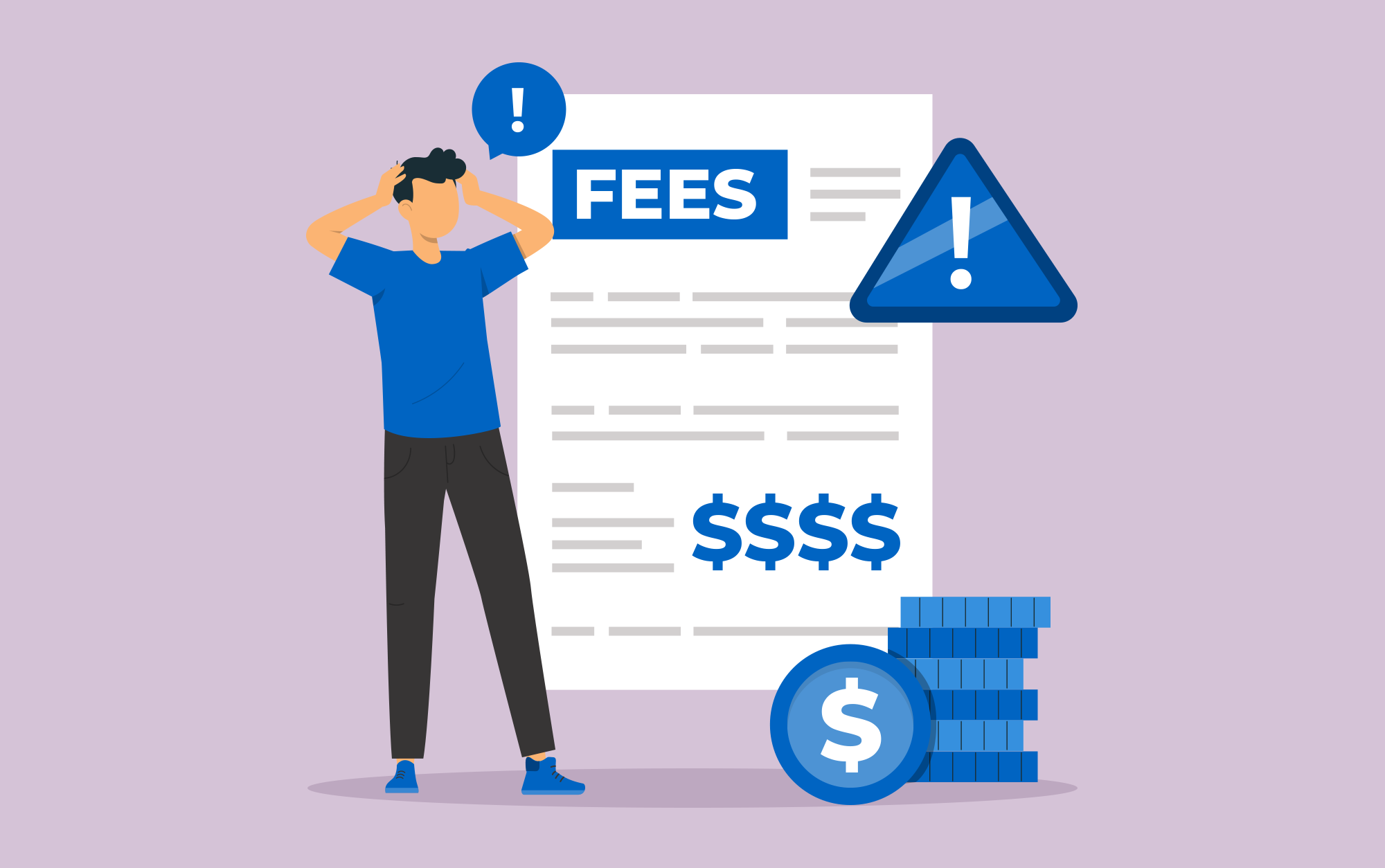
Most merchants believe payment processing costs end at the advertised flat rate—but the truth is, many providers layer in hidden fees that can quietly erode profits. In 2025, as processing networks evolve, transparency is becoming a major differentiator.
Common Hidden Fees
Fee Type | Description | Typical Cost |
Batch Fee | Charged for closing out daily transactions | $0.10–$0.25/day |
PCI Non-Compliance Fee | Penalty for missing PCI requirements | $20–$40/month |
Statement Fee | Paper or digital billing cost | $5–$10/month |
Gateway Access Fee | Fee for third-party routing | $10–$25/month |
Chargeback Fee | Applied per dispute | $15–$35/incident |
These small fees accumulate, costing businesses hundreds—or even thousands—per year.
How to Identify Them
- Examine your monthly statements line by line.
- Ask your provider for a full fee disclosure document.
- Compare offers using interchange-plus pricing.
- Audit quarterly for changes or new charges.
2025 Updates
New “junk fee transparency” regulations introduced in the U.S. are prompting payment processors to disclose non-interchange costs upfront. This is good news for merchants seeking accountability.
Conclusion
Hidden fees remain one of the biggest drains on merchant profits. Understanding your statements and partnering with transparent processors can easily save 10–20% in total processing costs. Knowledge truly is margin power.
Search
Recent Post
-
Lower Credit Card Rates: The Power of an Agnostic Payment Gateway
-
Beat Rate Creep: Protect Your Margins with the Payment Genie Pro Rate Tracker
-
Exposing Hidden Fees: The Power of a Free Merchant Statement Review
-
Zero Pay Processing: How to Eliminate Credit Card Merchant Fees Entirely
-
Supercharge Your Business: The FluidPay Payment Gateway with Payment Genie Pro
